Under Surveillance
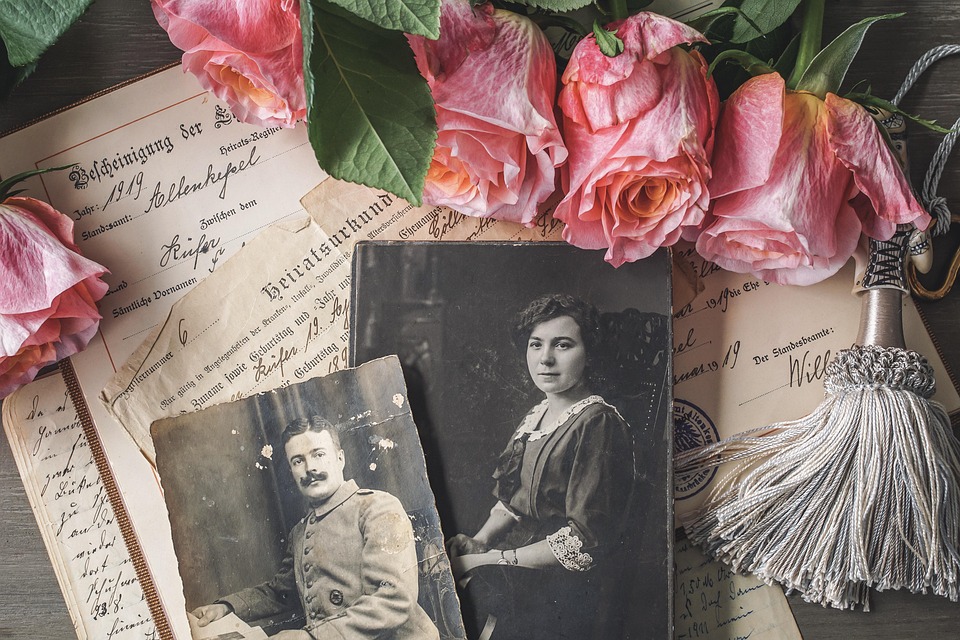
It is a common enough experience: an unfamiliar family photograph turns up unannounced, pulled from a forgotten folder or, more likely these days, discovered in a cobwebbed corner of the internet. For the writer and philosopher Lea Ypi, the first option was the only dignified path to take after a photograph of her paternal grandparents surfaced online.
„The past is never truly gone; it waits in photographs to be rediscovered.“
This photograph, taken during their honeymoon in the Italian Alps in 1941, was an unexpected reminder of the political turmoil surrounding her family. It also sparked a process of re-examination for Ypi as she delved into the complex history of her communist family and their experience during and after WWII.
Die Magie des Bildes
The image of her grandparents, frozen in time in an alpine landscape, contrasts sharply with the political climate they were living through. It is an eerie reminder of the invisible threads that tie together personal and political histories. The photograph tells a story of love, yes, but also of surveillance and repression.
Die Konstruktion von Geschichte
The story of Ypi’s grandparents is just one thread in the intricate web of postwar European history. As Ypi explores the complicated relationship between ideology, history, and memory, she invites us to reflect on the legacy of communist regimes and their impact on individuals and families.
„Die Geschichte ist nicht nur das, was wir erinnern, sondern auch das, was wir vergessen.“
Fazit: Vergessen und Erinnern
At the heart of Ypi’s book is the idea that the past is never truly gone — it waits in photographs, memories, and stories to be rediscovered. The question of what we choose to remember and what we choose to forget is a central theme, and Ypi’s journey of rediscovery is a powerful reminder of the emotional and political weight that history carries.
The book raises important questions about the role of memory in shaping our identities, both individually and collectively. It also highlights the importance of reexamining our personal and collective histories, particularly in the face of political upheaval.
Zurück zu allen Beiträgen